
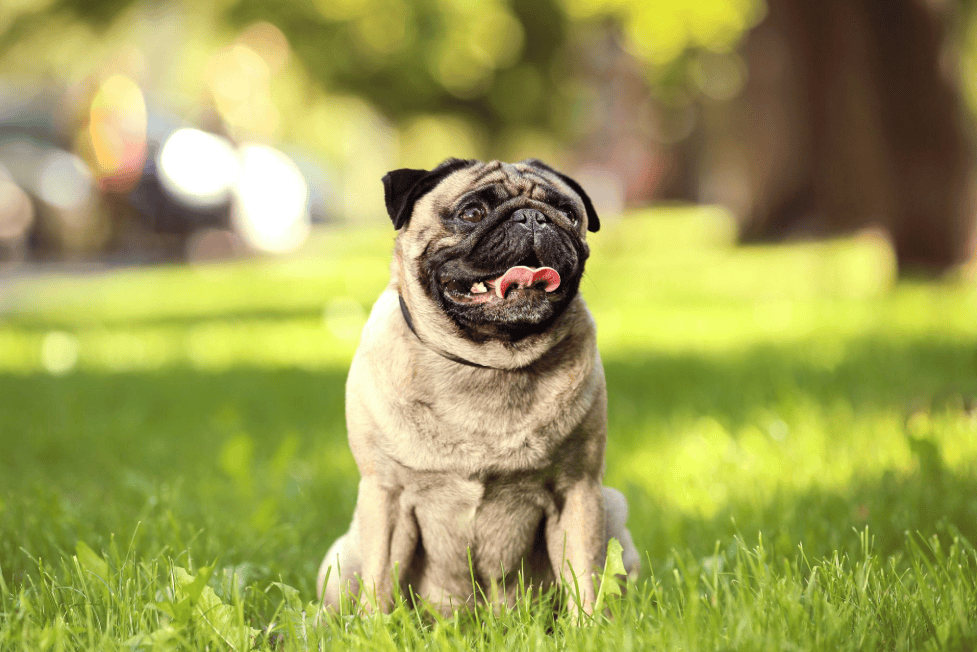
Helping flat-faced dogs breathe easier and live more comfortably.
Does your French Bulldog snore loudly? Does your Pug struggle to keep up on walks or become overheated easily? While these symptoms are common in flat-faced breeds, they aren’t necessarily normal—and they could indicate a serious breathing condition called Brachycephalic Obstructive Airway Syndrome (BOAS).
At Patriot Animal Hospital, we’re proud to offer BOAS corrective surgery to help improve airflow, reduce breathing difficulties, and give affected dogs a better quality of life.
What Is Brachycephalic Obstructive Airway Syndrome (BOAS)?
Brachycephalic Obstructive Airway Syndrome, commonly called BOAS, is a condition affecting dogs with shortened muzzles and flat faces. Although their adorable, squished faces are part of their charm, these breeds often have anatomical differences that make it harder for air to move freely through their noses and throats.
BOAS is especially common in:
- French Bulldogs
- English Bulldogs
- Pugs
- Boston Terriers
- Shih Tzus
- Pekingese
Dogs with BOAS may have narrowed nostrils, an elongated soft palate (tissue at the back of the roof of the mouth), or other airway abnormalities that restrict their breathing. These issues can become more severe over time, especially when a dog is exercising, excited, or exposed to warm temperatures. Some dogs even experience life-threatening emergencies related to overheating because of these airway issues.
Signs Your Dog May Have BOAS
Many pet owners assume snoring, snorting, and noisy breathing are simply part of owning a flat-faced dog. However, these sounds can indicate that your pet is working harder than they should just to breathe.
Common signs of BOAS include:
- Loud snoring, snorting, or noisy breathing
- Excessive panting, even with minimal activity
- Difficulty exercising or tiring quickly
- Heat intolerance or overheating easily
- Gagging, retching, or difficulty swallowing
- Restless sleep or difficulty getting comfortable
- Slow recovery after exercise or excitement
- Breathing with noticeable effort
Important: If your dog collapses, has blue or gray gums, or is struggling severely to breathe, seek emergency veterinary care immediately.
BOAS symptoms can worsen as dogs age, and ongoing breathing difficulties can lead to additional airway damage. That’s why early evaluation and treatment are so important.
How Can BOAS Surgery Help?
The good news is that many dogs with BOAS can benefit significantly from corrective surgery.
BOAS surgery addresses physical obstructions that make breathing difficult. Depending on your dog’s anatomy and the severity of the condition, surgical treatment may involve:
Widening narrowed nostrils (stenotic nares correction): Enlarging the nostril openings allows more air to enter through the nose, reducing the effort required to breathe.
Shortening an elongated soft palate: Removing excess tissue from the back of the mouth helps prevent it from blocking airflow into the throat.
Addressing other airway obstructions: In some cases, additional tissue around the throat may need to be removed. The laryngeal saccules (tissue around the voice box) and the tonsils can worsen respiratory obstructions; their removal may also be necessary in order to provide the highest level of relief.
Not every dog needs the same procedures. Our veterinary team will evaluate your pet’s condition and discuss the most appropriate treatment options.
Benefits of BOAS Surgery
For dogs with airway obstructions that can be surgically corrected, treatment may:
- Improve airflow and make breathing easier
- Reduce snoring, snorting, and noisy breathing
- Increase exercise tolerance and stamina
- Improve comfort during sleep and everyday activities
- Reduce the risk of breathing-related overheating
- Enhance overall comfort and quality of life
Although surgery cannot change every anatomical feature associated with BOAS, correcting airway obstructions can make a meaningful difference in your dog’s daily life.
What to Expect Before and After BOAS Surgery
At Patriot Animal Hospital, we understand that the thought of surgery can be stressful. Our goal is to make sure you feel informed, confident, and supported throughout your pet’s care.
Before surgery: We’ll begin with a physical examination and an assessment of your dog’s breathing and overall health. Additional diagnostic testing may be recommended to evaluate your pet’s airway and determine whether surgery is appropriate. We’ll also discuss anesthesia considerations, potential risks, and what to expect during recovery.
After surgery: Because BOAS affects the airway, careful monitoring during recovery is especially important. Swelling or inflammation can temporarily make breathing more difficult, and some dogs require extended observation or specialized postoperative care.
Your veterinarian will discuss an appropriate recovery and monitoring plan based on your dog’s needs. At home, recovery typically includes limiting activity, avoiding heat and excitement, administering prescribed medications, and following specific feeding instructions.
While many dogs experience substantial improvement after surgery, results vary depending on the severity of their condition and any additional airway abnormalities.
Give Your Dog the Gift of Easier Breathing
Your dog shouldn’t have to struggle for every breath. If your flat-faced companion snores excessively, tires easily, or has difficulty breathing, don’t dismiss these symptoms as normal for the breed.
At Patriot Animal Hospital, we’re committed to helping the pets of Georgetown, Liberty Hill, Leander, and surrounding communities live healthier, more comfortable lives.
Contact us today to schedule a BOAS airway evaluation and find out whether corrective surgery could help your dog breathe easier.
Or call 512-882-9994 to speak with our team.
All Services